


Meditation, 'poem-light' and the transfiguration of perception
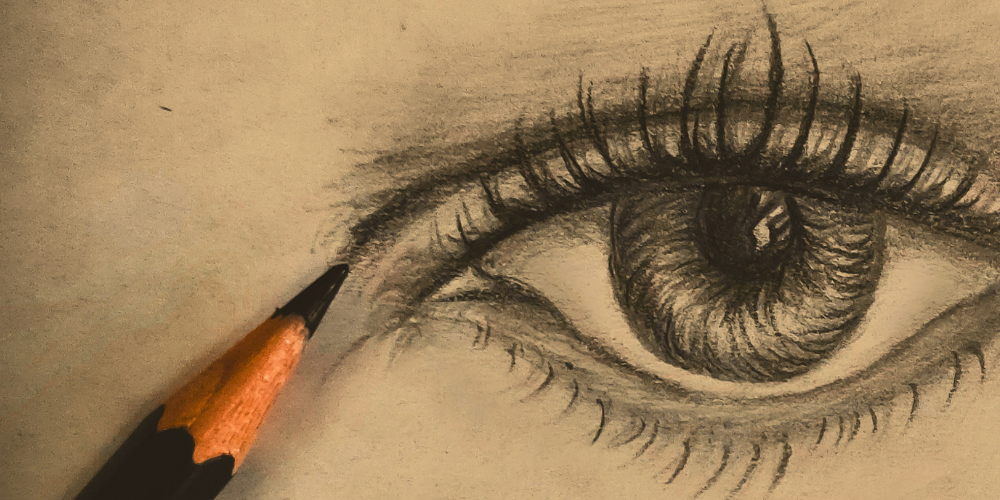
‘Poetry’s work,’ writes the poet Jane Hirshfield, ‘is not simply the recording of inner or outer perception; it makes by words and music new possibilities of perceiving. Distinctive realms appear to us when we look and hear by poem-light…’ (1)
What Hirshfield says about ‘poetry’s work’ resonates deeply with what many (including Hirshfield herself) have said about the practice of meditation. Both are contemplative in that they cultivate ‘new possibilities of perceiving,’ new ways of seeing. ‘Seeing clearly’ is a very good way of understanding the word ‘contemplation’.
Hirshfield continues: ‘Good poetry and good seeing go together almost always. Yet before art’s more ground-level seeing can liberate itself into that other vision we speak of, a transfiguration is needed. The eyes and ears must learn to abandon the habits of useful serving and take up instead a participatory delight in their own ends. A work of art is not a piece of fruit lifted from a tree branch: it is a ripening collaboration of artist, receiver, and world.’
New possibilities of seeing
Meditation might be likened to the poetic process in that both involve a ‘participatory’ relationship. For both the poet and the meditator, the ‘new possibilities of seeing’ require the ‘transfiguration’ of the mind, the releasing of all that obstructs the eye of the heart. We are invited to let go of our ‘habits of useful serving,’ the always-calculating mind of productivity, and enter the ‘participatory delight’ of just being present, open, in relationship. The fruit, is a ‘ripening collaboration.’
Both the poet and the meditator have to accept that they’re not fully in control, release any temptation to try and control, learn to simply wait with open, receptive attention.
The ancient Greek word poiesis (ποίησις), from which we have the word ‘poetry,’ holds the sense of making, of bringing into being, of something coming from concealment into unconcealment, being brought into presence. The carpenter making a table, the potter shaping clay, the sculptor working with marble to reveal the form hidden within it, the gardener who helps the flower bloom – all could be involved in poiesis, the collaborative process of bringing-forth. Understanding poetry as poiesis offers us a rich way to understand the practice of meditation.
Becoming fully awake
In our retreats (in-person or online), everyone is invited to observe silence throughout the day. This means setting aside conversation, putting away phones and other distractions, and letting go of the habit of wandering into plans, memories, or daydreams whenever possible.
Instead, whatever we are doing becomes the place, the opportunity, for practice. Whether we are sitting in meditation, walking, eating or carrying out simple tasks, the invitation is always the same: return to the present moment.
Throughout the day, we have the opportunity to cultivate the quality of quiet, steady awareness – to be fully awake, present without being tense, relaxed without becoming dull. Rather than something reserved for our times of formal sitting meditation together, this attentive presence is encouraged throughout the day, from the moment we wake up until we drift off to sleep.
As someone who has followed this path for many years and has had the privilege of accompanying others on retreat, I continue to be filled with wonder and gratitude. Time and again I witness the quiet yet profound changes that can unfold when people enter into silence and learn to rest their attention in the present moment. Within the Christian tradition, these moments might best be described as moments of grace, occasions when God’s presence seems to break through in ways that are often unexpected, deeply moving, but very quiet.
As we read in Scripture:
Listen…and I will speak; and hear…
My teaching shall drop as the rain,
my speech shall distil as the dew,
as the small rain upon the tender herb,
and as the showers upon the grass
(Deuteronomy 32:2)
Extending our practice into the day
Our practice should not be confined to our periods of sitting meditation. Although these times offer a particularly rich opportunity to settle into stillness and presence, the invitation extends into every part of the day. Whether we are walking, eating, working, or simply going about the ordinary tasks of daily life, we are gently called back to this moment, invited to return to what is here, trusting that what we are truly seeking is not somewhere else or at some future time, but is already present.
‘Be still and know that I am God,’ sings the Psalmist (Psalm 46:10), pointing us to a profound truth. As we learn to be still, to step back from our always moving thoughts and rest more fully in the present moment, we begin to sense a place of deep peace within ourselves, a place of refuge – not somewhere we have to manufacture, but something we can return to, here and now, a home we can return to together.
As we become more at ease in stillness, we often discover that what we have been searching for has been quietly present all along. The path is not about arriving somewhere else, but awakening where we are. We collaborate in a process of bringing-forth, allowing what has been concealed to come into unconcealment, what has been hidden to come into presence. Perhaps we all know this, but, to varying degrees, just don’t know that we know.
‘Be still and know that I am God’ are words many of us know well, and yet they can sometimes be heard only as an invitation to a passive quietness, rather than a wakeful stillness. The Hebrew carries an added depth, conveying the sense of letting go, of ceasing our striving, of releasing our need to control, of allowing God to be God.
An invitation…and a challenge
There is both an invitation and a challenge here. Before we can enter that stillness, we first need to stop the endless searching, to stop chasing after God as though God were somewhere else. To stop looking for happiness, fulfilment, or peace in all the places where they can never finally be found. To let go of the restless question, ‘Where is it? Where is it?’ and simply practice remaining where we are, bringing our whole attention to whatever simple task is at hand. Peeling the potatoes when we are peeling the potatoes. Ironing the pillowcase when we are ironing the pillowcase. Only then can we begin to discover what it means to be still. Not merely to become physically quiet, but to rest in a deeper stillness of mind, to dwell in Christ and taste the presence that goes beyond words.
Christ’s way of responding to those who seek is very simple. ‘Where do you dwell?’ the first disciples asked. ‘Come,’ he said, ‘and you will see’ (John 1:39).
A rich inheritance
How, then, do we respond to this invitation? Where do we begin?
The Christian contemplative tradition offers us a rich inheritance of meditative practice. This tradition is not an end in itself, but a practical path of responding to Christ’s invitation, ‘Come, and you will see.’ Quietly, gently, we are reorientated towards a simple yet profound truth: we do not need to go somewhere else in order to encounter God. We need only be fully present where we already are.
Contemplation is more than an awareness of the present moment. It is awakening to the presence of Christ, who is already here, always here, waiting to be recognised. The invitation is both straightforward and deeply challenging. Stay where you are. Allow your eyes to open. Allow your sight to be restored.
‘The desire of monks and mystics is not unlike that of artists,’ writes Hirshfield, ‘to perceive the extraordinary within the ordinary by changing not the world but the eyes that look…to form the intention of new awareness is already to transform and be transformed.’
How do we respond to this invitation? Where do we begin? Exactly where we are.
The invitation is to come fully into this moment, bringing our whole attention to whatever is before us. Peeling the potatoes when we are peeling the potatoes. Ironing the pillowcase when we are ironing the pillowcase. Walking when we are walking. Eating when we are eating.
Practising this simple awareness, we can awaken to the extraordinary within the ordinary.

This blog is based on one of the teachings given in a recent online meditation group gathering. You are warmly welcome to join one of our future gatherings.
We use cookies (including Google Analytics and Meta Pixel) to enhance your browsing experience, serve personalised ads or content, and analyse our traffic. By clicking ‘Accept All’, you consent to our use of cookies.